


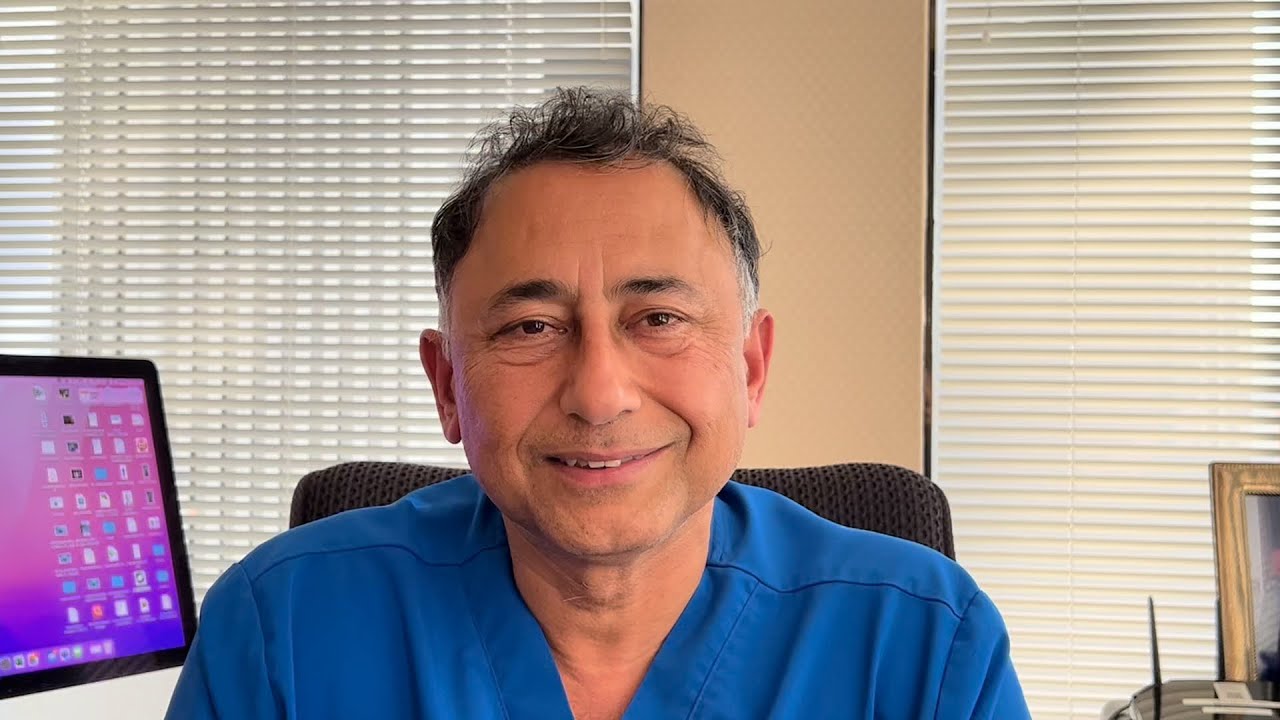
Burning, gritty eyes can make reading, driving or a day at the computer uncomfortable. Dry eye can develop when your eyes do not make enough tears or when tears evaporate too quickly. In this short video, Rajesh Khanna, MD, of Khanna Vision Institute explains the tear system. Below, we put his explanation in context with guidance from the American Academy of Ophthalmology (AAO) and explain when to arrange an exam.
Where do tears come from?
Dr. Khanna explains that the lacrimal gland supplies the watery part of tears, while the meibomian glands in your eyelids supply oils that help protect the tear film. Tears then drain down the nose. The AAO describes three layers: oil on the outside, water in the middle and mucus on the inside. The oil layer keeps tears from drying up too fast, and the water layer cleans the eye.
What causes dry eyes?
According to Dr. Khanna, dryness comes from an imbalance between production and drainage. Most often, the water part of the tears or the oil part decreases. A hot, dry environment can also make tears evaporate too quickly. He also discusses drainage, although reduced tear production and rapid evaporation are the main causes described in patient guidance. The AAO adds other contributors, including getting older, menopause, autoimmune conditions such as Sjogren's syndrome, eyelid inflammation, smoke or wind, long screen time, contact lenses, certain medicines and refractive surgery such as LASIK.
What are the symptoms of dry eye?
The AAO lists stinging or burning, a scratchy or gritty feeling, redness, blurry vision (especially when reading), discomfort with contact lenses and watery eyes, because irritation can trigger reflex tearing. These symptoms overlap with allergies, eyelid problems, infection and other conditions, so they do not tell you the cause by themselves.
When should you get dry eyes checked?
Consider an exam if your symptoms last, get worse, affect your daily activities or do not improve with over-the-counter lubricating drops. Seek prompt care for significant redness, pain or changes in vision; sudden vision loss needs immediate medical attention. Chronic dry eye can sometimes point to eyelid disease or another health issue that needs its own treatment.
How is the cause found and treated?
Your eye doctor examines your eyelids, the surface of the eye and how you blink, and may use tests that measure tear quality or how quickly you make tears. The right treatment depends on the cause. It can include lubricating drops, eyelid care or other approaches, and your doctor chooses what suits you. Results vary, and dry eye often has more than one cause. When blocked oil glands are the issue, Dr. Khanna offers HELLO, described on our dry eye care page. We also have an earlier post on HELLO for dry eye and styes, and an article on dry eye after LASIK.
Where can you get a dry eye exam?
We have two offices: 9100 Wilshire Blvd, Suite 265E, Beverly Hills, CA 90212, (310) 482-1240, and 31824 Village Center Rd, Suite F, Westlake Village, CA 91361, (805) 230-2126. Dry eye care starts with an exam. If you have insurance, we start with an annual eye exam through your plan. Self-pay patients can ask about a VIP focused exam for one specific complaint such as dry eye. We accept PPO insurance plans. We do not accept HMO or Medi-Cal plans.
Frequently asked questions
What causes dry eyes?
Dry eye happens when tears are not made, kept or drained in balance. Causes include fewer water or oil tears, tears that evaporate too fast in hot, dry or windy settings, long screen time, contact lenses, certain medicines and health conditions. Your exam looks for which apply to you.
Can dry eye symptoms be something else?
Yes. Stinging, burning, a gritty feeling, redness and blurry vision can also come from allergies, eyelid inflammation, infection or contact lens problems. That is why an exam helps before you decide on treatment.
When should I get my dry eyes checked?
See an eye doctor if symptoms last, get worse, interfere with daily life, are not relieved by over-the-counter lubricating drops, or come with significant redness, pain or vision changes.
Is there one treatment that works for everyone?
No. Treatment depends on the cause, and dry eye often has more than one cause. Results vary, and some people need more than one approach.
What is the first step at Khanna Vision Institute?
If you have insurance, we start with an annual eye exam through your plan. Self-pay patients can ask about a VIP focused exam, which is limited to one specific complaint such as dry eye and is not a VIP consult. Our team explains the cost before you book. We accept PPO insurance plans. We do not accept HMO or Medi-Cal plans.
Take the next step
If your eyes feel dry, gritty or tired more days than not, book an exam online or call (310) 482-1240 (Beverly Hills) or (805) 230-2126 (Westlake Village).
Rajesh Khanna, MD is a board-certified ophthalmologist and UCLA clinical instructor, Jules Stein Eye Institute, with 25+ years in practice and 25,000+ procedures.